Why Vanilla Fragrance Can Change Your Soap Color
Share
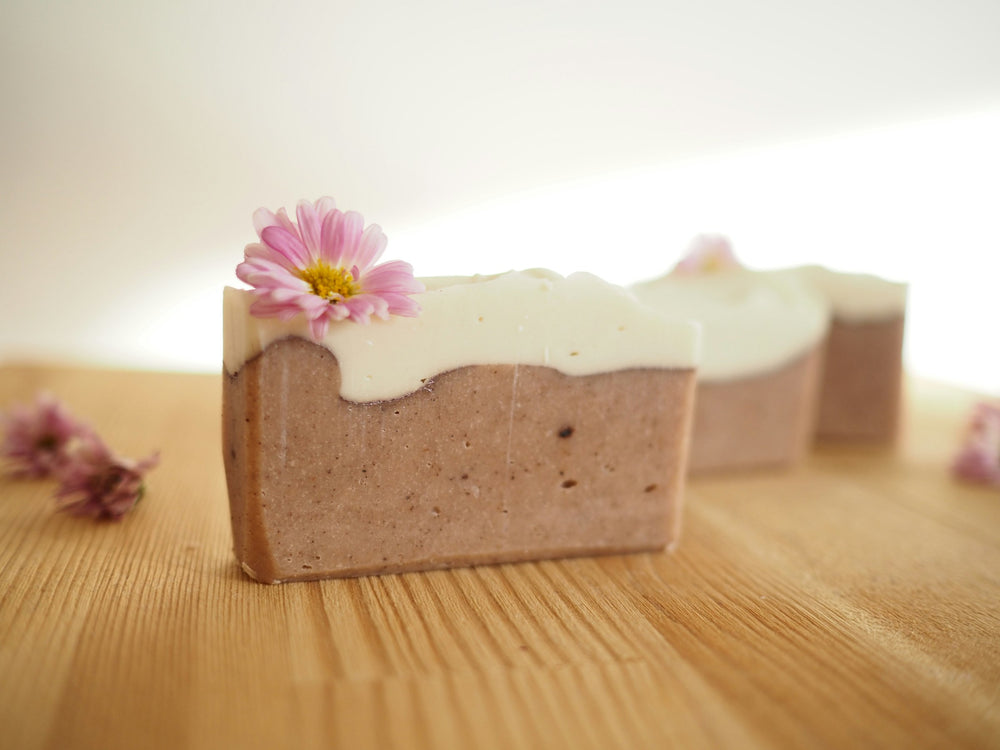
You choose a pale color for a soap project, add a favorite fragrance, and later find that the bar has become tan. Before changing the colorant, check the fragrance supplier's performance notes. Fragrance can be part of the finished color story, even when you chose it only for its scent.
Vanilla-related discoloration is one useful example to understand before making a batch. It is not an explanation for every unexpected spot or change in soap, and appearance alone cannot establish whether a batch was made correctly or is ready to use.
The scent name is only the beginning
A fragrance name tells you how a supplier presents the scent. Its technical and performance notes tell you more about how it may behave in your project. Do not stop reading at a name such as vanilla, cream or blossom, or assume that a fragrance without “vanilla” in its name cannot affect color.
Look for three separate details: the soap process for which the fragrance is recommended, its discoloration notes, and its usage instructions. A photograph of the fragrance bottle answers none of those questions by itself.
Understand what vanillin can change
Soap Queen's vanilla-discoloration explainer describes vanillin as one cause of soap shifting from off-white through shades of brown. The change may develop over time rather than appearing completely on pouring day. Its examples also show that the exposed surface and a freshly cut center can initially look different.
The same article notes that other aroma chemicals can affect color too. A low or zero vanilla-content figure is therefore not a reason to ignore the supplier's separate discoloration notes. Read what was observed for the actual fragrance rather than building a prediction from one field alone.
Keep the scale of your conclusion modest. “The supplier reports brown discoloration with this fragrance” is useful planning information. “Every brown mark in this batch must be vanilla” goes beyond what that information can show.
Do not confuse vanilla content with the amount to add
A vanilla-content figure describes the fragrance; it is not an instruction to add that percentage of fragrance to your soap. The supplier's usage directions answer a different question and must be read for the intended product and process.
For example, Bramble Berry's Vanilla Select Fragrance Oil page lists vanilla content, discoloration, oil color and usage instructions separately. Its discoloration entry says dark brown, while its usage instructions direct the maker to its fragrance calculator. Treat those as separate pieces of information, not interchangeable recipe numbers.
Use current instructions for the exact fragrance you own. A saved chart, an older tutorial or another seller's similarly named scent may describe a different formulation. If the supplied information is unclear, ask the supplier before making the project.
Choose which part of the design matters most
Imagine a gift project with a pale-blue bar and a warm dessert-style scent. Decide whether the pale-blue appearance or that particular scent is essential. This makes the next choice more straightforward.
If the color is the priority, compare fragrances with suitable process-specific performance notes before committing to the design. If the scent is the priority, consider a palette that welcomes the supplier's reported tan or brown result. Cream paper, a dark printed card or a simple uncolored presentation can be chosen around the expected appearance instead of fighting it.
If both are essential, resolve that combination with the supplier and a suitable small trial before planning a large gift batch. Do not assume that adding more colorant will cancel an unknown amount of future browning. A design decision is easier to change before the ingredients are combined.
A stabilizer has its own compatibility rules
Do not treat “vanilla stabilizer” as a universal instruction. Bramble Berry's current Vanilla Color Stabilizer listing specifically recommends that product for melt-and-pour and marks it as not recommended for cold-process soap. Its directions belong to that additive, not to every similarly named product.
Follow the base, fragrance and additive suppliers' instructions together. If their guidance does not establish compatibility for your process, stop and ask. A color-preservation additive does not replace fragrance usage limits or the rest of a complete recipe.
Judge the result at a useful stage
Follow the project's normal cooling, finishing and, where applicable, curing requirements before evaluating its finished appearance. Keep a dated sample under the supplier's recommended conditions rather than treating the first photo as the final color promise.
For a planned gift, compare that sample with the actual wrapping colors in similar light. This is a design check, not a safety test. If the result includes an unexplained smell, unusual texture or another unexpected change, set the batch aside and seek the supplier's guidance rather than labeling everything “vanilla discoloration.”
The useful habit is to choose scent and color together. Read the fragrance's performance notes before pouring, keep its composition figures separate from usage directions, and let a properly followed small project inform the final design.
Cover: original illustration of possible soap colors, not a test batch, time sequence or prediction for a particular fragrance.