How to Unmold Soap Without Breaking It: Silicone, Loaf and Detailed Molds
Share
You poured a beautiful batch. The colors look right, the top is smooth, and now comes the nervous part: getting it out of the mold in one piece. Torn corners, smudged details and loaves that will not budge are some of the most common frustrations in soap making. The good news is that almost every unmolding problem comes down to timing, technique or the mold itself.
This guide covers how to unmold soap cleanly from cavity molds, loaf molds and detailed designs, for both melt and pour and cold process. Shop our silicone soap molds and tools and accessories as you go.
Rule one: wait long enough
Most broken bars come out too early.
Melt and pour - Small cavity bars: usually firm in one to two hours at room temperature. - Larger or deeper bars: allow several hours. - The bar is ready when it feels firm all the way through and no longer warm at the center.
Cold process - Most recipes are ready to unmold in 24–48 hours. - Recipes high in soft oils, or batches with a lot of water, may need three days or more. - Soap should feel firm, like cold cheese, and should not dent easily.
If in doubt, wait another day. Soap rarely suffers from waiting, but it often suffers from rushing.
How to unmold from a silicone cavity mold
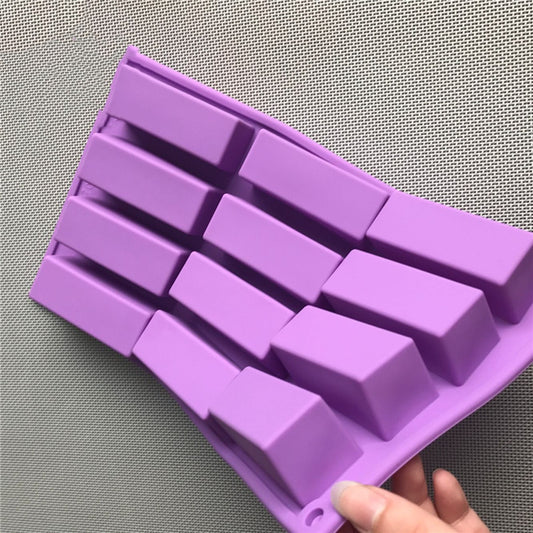
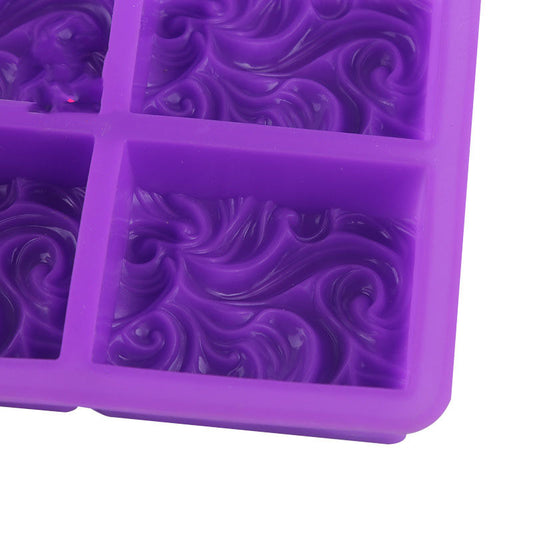
Cavity molds, like our 4-cavity swirl rectangle mold and 12-cavity guest-size bar mold, are the easiest to unmold.
- Break the seal. Gently pull each side of the cavity away from the soap to let air in.
- Flex the mold. Turn it over and bend the mold backward slightly.
- Push from the bottom. Press the center of the cavity with your thumbs. The bar should pop out evenly.
- Do not pull the bar by its edges. That tears corners.
How to unmold detailed molds
Detailed designs such as the sun and moon face mold or the flower shape mold have fine features that tear if you hurry.
- Give melt and pour extra time. Fine details need to be fully firm.
- Use the freezer briefly. Fifteen to thirty minutes in the freezer shrinks the soap slightly so it releases cleanly. Do not leave it longer; condensation and "sweating" can follow.
- Peel, do not push. Roll the silicone back from the edges slowly, letting air reach the details.
- For cold process, wait an extra day or two before unmolding detailed shapes. Some makers prefer to use detailed molds only for melt and pour.
How to unmold a loaf mold
Loaf molds suit cold process soap and large melt and pour batches. Our silicone loaf mold with reinforced walls and the bamboo loaf mold kit with silicone liner both release well with the right technique.
- Pull the sides away from the loaf all the way around to break the vacuum.
- Lift the liner out of the wooden box if you are using a lined mold.
- Peel one long side down, then the ends, then the other side.
- Lay the loaf on a clean, flat cutting surface. Do not drop it.
- Let a soft loaf rest in the air for a few more hours before cutting.
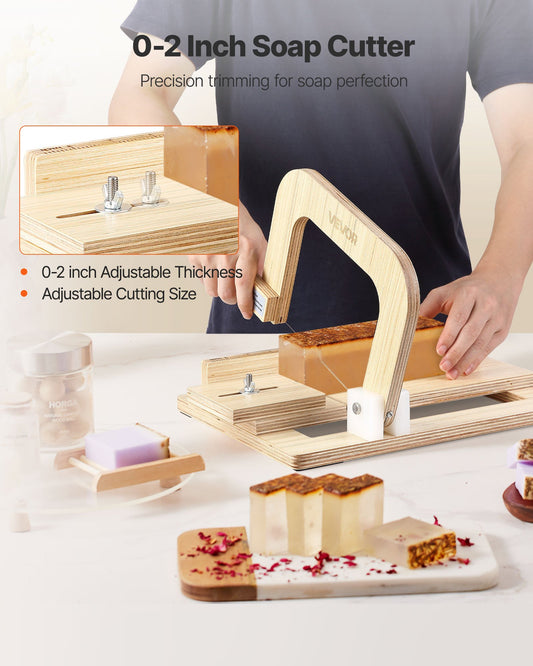
Then slice the loaf. A straight blade or wire cutter gives the cleanest bars; our guide to wire vs straight blade soap cutters explains which to choose, and the multi-bar loaf cutter cuts a whole loaf at once.
Soap stuck in the mold? Try these fixes
Melt and pour won't release - Put the mold in the freezer for 15–20 minutes, then try again. - Make sure the soap has fully cooled. Warm centers stick.
Cold process won't release - Wait another day or two. Soft soap clings to silicone. - Put the whole mold in the freezer for an hour, then unmold quickly while it is cold. - Next time, add a little sodium lactate or use a recipe with more hard oils (check it in the soap calculator). - Water discounting (using less water) helps soap firm up faster.
The bar tore - Melt and pour can be remelted and repoured. - Torn cold process soap can be rebatched or kept as personal-use bars.
Why some soap gets "glue-y" or soft
- Too much fragrance oil can soften soap.
- High percentages of soft oils such as olive or sunflower make slower-hardening bars.
- Gel phase and temperature affect firmness. Warmer batches tend to set faster.
- Humid rooms slow hardening and cause melt and pour bars to sweat.
Caring for silicone molds
Good molds last for years when you look after them.
- Wash in warm soapy water and let them air dry fully.
- Avoid sharp tools inside the mold; a knife slip can cut silicone.
- Store flat, without heavy items on top, so the shape does not distort.
- Keep cavity molds out of direct sun and away from oven heat beyond their rating.
- Avoid nonstick sprays. Silicone is already nonstick, and sprays can leave residue on bars.
After unmolding
- Melt and pour: wrap bars soon after unmolding to prevent glycerin dew. See how to wrap melt-and-pour soap for gifts.
- Cold process: cure bars on a rack with air on all sides for four to six weeks.
- Record what happened. Note the unmold time and any sticking in your batch notes.
Choosing molds that unmold easily
If you are buying your first molds, a few features make release far easier:
- Flexible, food-grade silicone with enough thickness to hold its shape when full but bend when you unmold.
- Straight or slightly tapered walls. Bars slide out of tapered cavities more easily than deep, straight-sided ones.
- Reinforced loaf walls so a heavy batch does not bulge, which can lock soap in place.
- Moderate detail for cold process. Save very intricate designs for melt and pour.
- Cavity size that suits your use. Guest-size bars unmold faster and more reliably than thick full-size bars.
Our guide to loaf molds vs cavity molds goes deeper into choosing your first mold.
A quick unmolding checklist
- Has it been long enough? Is the center cool and firm?
- Did I break the seal on all sides?
- Am I pushing from the bottom instead of pulling edges?
- Would 15–30 minutes in the freezer help?
- Is my cutting surface clean and ready?
Frequently asked questions
Can I put silicone soap molds in the freezer? Yes. Brief freezing is a standard trick for clean release.
Why does my melt and pour soap have bubbles after unmolding? Air trapped during pouring. Spritz rubbing alcohol on the surface right after pouring and pour slowly.
How long before I can cut a cold process loaf? Usually right after unmolding, once the loaf is firm. If it smears, let it rest longer.
Do I need to line a silicone loaf mold? No. Silicone loaf molds release on their own. Wooden molds need a silicone liner or freezer paper.
Why do my bars have a dull or rough side after unmolding? That is usually the top surface that was exposed to air, or soda ash on cold process soap. Steam it lightly or plane it with a cutter once the bars are firm.
The takeaway
Patience, breaking the seal and pushing from the bottom solve most unmolding problems, and a short trip to the freezer handles the rest. Pick molds that suit your method in our molds collection and keep a clean cutter ready for loaf day.